Core Employer Obligations
Every H-2A employer must pay the special minimum wage based on geographic location, provide housing with daily transportation to the jobsite, guarantee at least 75% of contracted work hours, furnish three meals per day or cooking facilities, and reimburse inbound travel costs after 50% of the contract is completed.
Before filing, you must prove insufficient U.S. workers are willing, qualified, and available and that hiring foreign workers will not adversely affect wages or working conditions of similarly employed U.S. workers. The Wage and Hour Division enforces these rules through investigations. For step-by-step guidance for H-2A visa compliance, see H-2A cost planning and H-2A requirements.
H-2A Housing Requirements
Under H-2A visa housing requirements, housing must be safe, sanitary, and provided at no cost when workers cannot reasonably return to their permanent residence the same day (a common rule of thumb is more than 50 miles one way).
- Each person gets their own bed with at least 100 sq. ft. of living space.
- Hot and cold running water, heat when cold, and windows that open in each room.
- Separate toilets for men and women one per 15 people; one shower per 10 people.
- Working stove per 10 inhabitants, one refrigerator per six workers, and fire extinguishers.
- Smoke detectors in each bedroom; housing at least 500 feet from livestock.
- Weekly transportation to a grocery store and garbage hauled at least once per week.
Whether you own the units or work with an H-2A labor housing provider, housing must pass a State Workforce Agency inspection before workers move in, and good employer housing management keeps it compliant throughout occupancy. Review H-2A compliance standards before your inspection.
H-2A Minimum Wage and AEWR
Employers must pay the highest of the Adverse Effect Wage Rate (AEWR), prevailing hourly wage, prevailing piece rate, agreed collective bargaining rate, or federal/state minimum wage. DOL now sets the AEWR using BLS OEWS data with two skill levels, and the methodology is under court review in 2026, so confirm current rates before filing.
Workers may be paid hourly or by piece rate, but piece-rate earnings must equal at least the required hourly rate for each pay period. Pay at least twice per month with itemized statements showing total earnings, hours worked, hours offered, deductions, and pay period dates.
H-2A workers are exempt from Medicare and Social Security taxes a meaningful savings for employers. Federal income tax withholding is optional if the worker completes Form W-4.
Transportation and Food Requirements
Employers must pay for or reimburse inbound transportation and meals from the worker's country of origin after 50% of the contract is completed, and pay for return transportation when the contract ends. Daily crew transportation between housing and the worksite is required at no cost, whether you run it in-house or use H-2A crew transportation services.
Whether workers ride in vans or H-2A labor bus transportation, vehicles must meet DOL standards under 29 CFR § 500.105, be operated by licensed drivers, and carry proper liability insurance. Standards vary by vehicle type, passenger capacity, and distance traveled.
Employers must provide three meals per day or free kitchen facilities where workers prepare their own meals. If the employer provides the meals instead, it may charge workers no more than the DOL maximum ($16.78 per day in 2026).
Guarantees and Key Takeaways
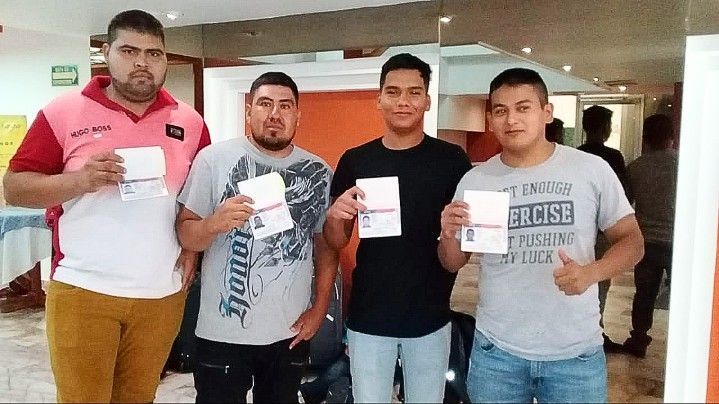
The three-fourths guarantee requires at least 75% of contracted workdays. If work falls short, you must pay the difference. Employers must provide all required tools free of charge, post workers' compensation rights at the worksite, and never confiscate passports or visa documents.
Work time begins upon arrival at the worksite—not commute time from housing. Travel between fields during the workday is paid time. Breaks of 20 minutes or less must be compensated.
Before deciding to hire H-2A workers, weigh all costs and requirements. The program can be highly valuable for seasonal labor needs. Browse our resources or contact Head Honchos to plan your season.