H-2A Farm Workers A Legal, Reliable Workforce for American Farms
The next time you slice a peach, pour a glass of milk, grill a steak, or toss a bag of lettuce in your cart, think about the hands that got it there. A lot of those hands belong to people who traveled thousands of miles to do the work, and many of them came legally through a program most Americans have never heard of: H-2A.
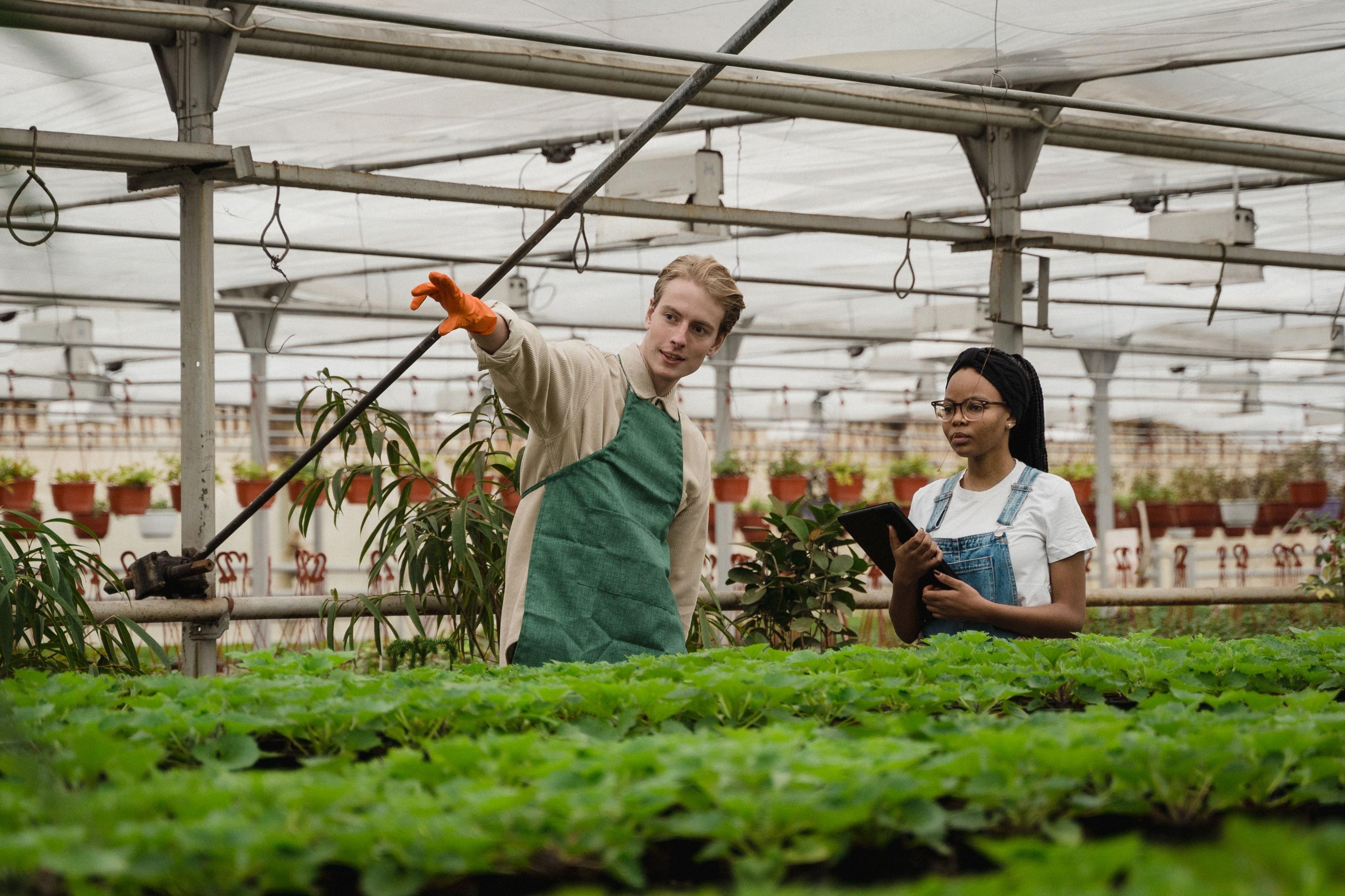
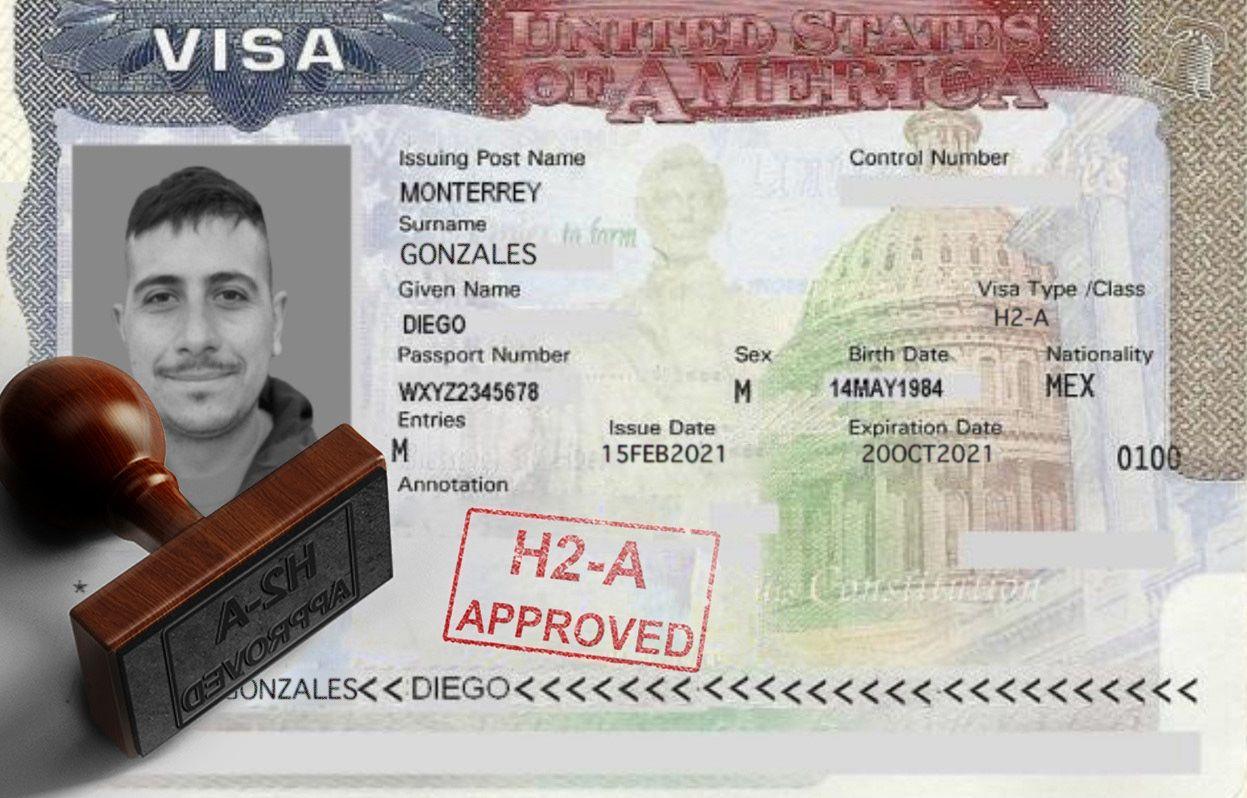
H-2A is the U.S. temporary agricultural worker visa. It lets American farms hire workers from other countries for a set season when they can’t find enough help at home. It sounds like a simple idea, and in many ways it is. But look closer and you’ll find one of the better arrangements in farm labor anywhere in the world. That holds for the workers who come, the local workers who live near the farm, and the families who buy what those farms grow.
What H-2A Workers Receive
Farm work around the world is often hard, unsteady, and poorly paid. In many countries, a farmhand is hired by the day and paid in cash. Sometimes he is paid late, sometimes not at all. There is no contract, no guaranteed hours, and nowhere to turn if something goes wrong. Workers who try to cross borders on their own often end up in the hands of smugglers or shady recruiters who charge a fortune and promise jobs that never appear.
H-2A turns that picture upside down. Here’s what a worker gets:
• A real contract. The job, the pay, and the length of the season are spelled out in writing before the worker ever leaves home.
• A set minimum wage. The government sets a minimum hourly rate for H-2A jobs in each state. For many workers, one season earns several times what the same work pays back home.
• Housing at no cost. The employer must provide safe, inspected housing.
• Travel covered. The worker’s trip to the job and home again is paid for under the program’s rules.
• Guaranteed hours. Employers must offer work for at least three-quarters of the hours promised in the contract, even if bad weather cuts the season short.
• A legal way in and out. Workers arrive with a visa, work openly, and go home to their families. Many come back year after year to the same farm.
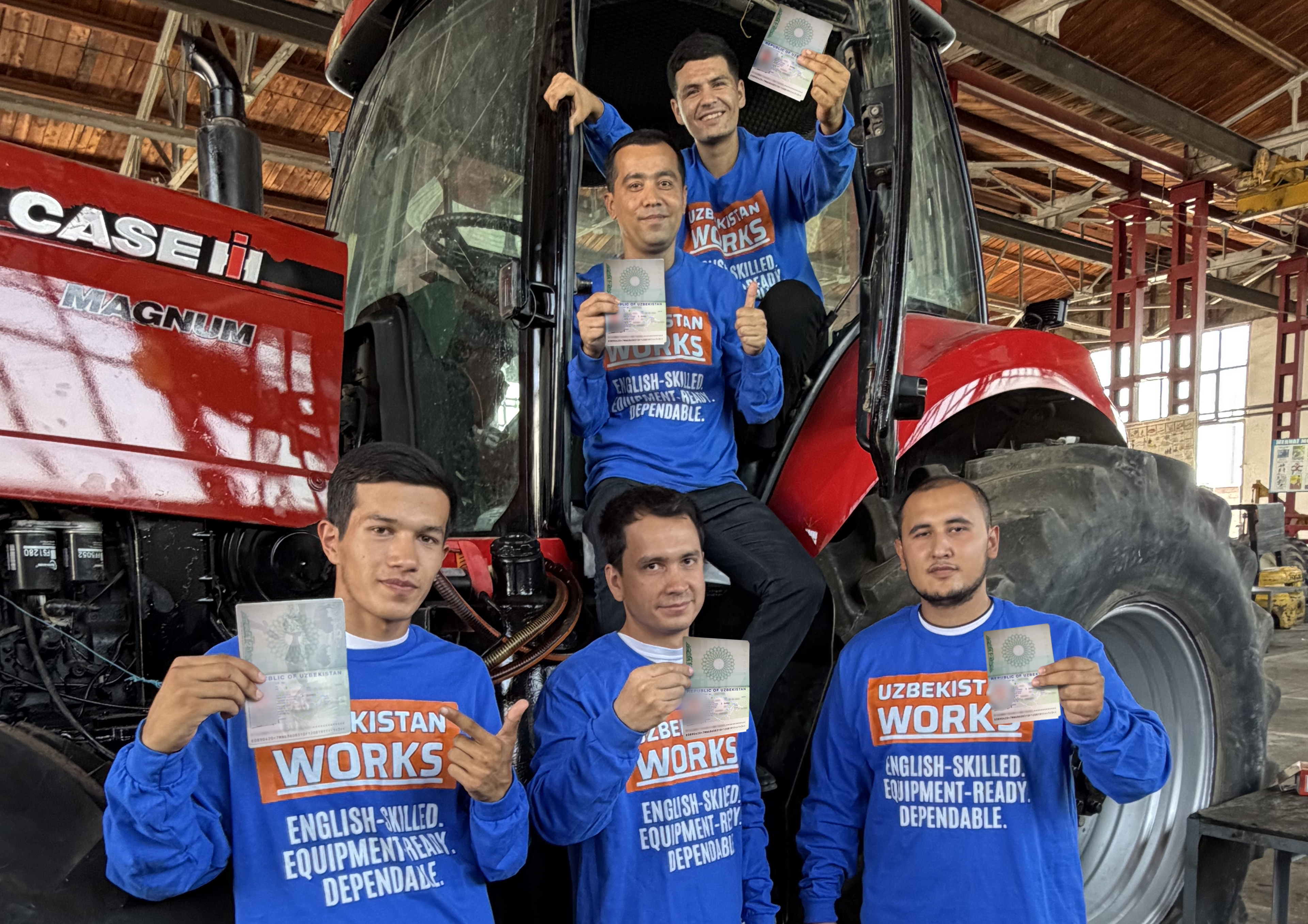
For a worker from rural Mexico, Guatemala, or Uzbekistan, a single H-2A season can pay for a house, a child’s schooling, or a small business back home. That is why demand for these jobs is strong, and why good workers keep coming back.
How H-2A Protects American Workers
A common worry is that foreign workers take jobs from Americans. H-2A was built to prevent exactly that, and it has several safeguards.
- Locals get the first shot. Before a farm can hire through H-2A, it must advertise the job to U.S. workers and hire any qualified local who applies. The Department of Labor has to sign off that there truly aren’t enough local workers before the farm can bring anyone in.
- New for dairies: milking parlor labor now qualifies. Under June 2026 federal guidance, dairies can now use H-2A workers for milking parlor jobs, as long as the farm can show a temporary or seasonal need for the extra help.
- Locals get the same deal. A U.S. worker doing the same job on the same farm must be offered the same pay and benefits as the H-2A crew. Nobody gets undercut.
- Wages don’t sink. Because the program sets a minimum wage for farm jobs in each state, H-2A workers can’t be used to drive local pay down.
The simple truth is that fewer Americans are choosing farm work each year. The hours are long and the work is physical, and rural areas keep losing young people to the cities. H-2A doesn’t replace local workers. It fills the empty spots they’ve left behind, and it often keeps a farm in business so the local jobs that remain—from truck drivers to mechanics to managers stay put, too.
How H-2A Helps Farms and Keeps Food Affordable
Crops don’t wait. When fruit is ripe, it has to be picked within days. When a field is ready, it has to be worked. A farm that can’t find hands at the right moment watches its crop rot, and that loss shows up as higher prices at the store and more food coming from overseas.
H-2A gives farmers something they rarely have: certainty. They know a trained crew will show up on a set date, stay for the season, and do the job legally. That steadiness lets family farms plan, invest, and stay in business. It also keeps more of America’s food grown in America, which means fresher produce, a safer supply, and less dependence on imports.
The program has grown steadily for years for one reason: it works. Farms that try it tend to keep using it.
Plan Ahead: Workers Take 3.5 Months to Arrive
The full H-2A process takes about 3.5 months, from the first filing to workers arriving at your farm. If you want workers on your farm by spring 2027, you must plan ahead and act now.
The paperwork runs through several federal agencies: the state workforce agency, the Department of Labor, United States Citizenship and Immigration Services, and the U.S. consulate, where workers are interviewed. Each step has its own deadlines, and a missed step can cost a farm its whole season. Farms that wait until they are shorthanded are usually too late.
Work With an Experienced H-2A Partner
San Antonio-based Head Honchos LLC has spent 26 years helping Texas farmers bring in legal, vetted workers from Mexico, Guatemala, El Salvador, South Africa, Uzbekistan, and beyond. Firms like it handle every step, from the first application to the day the crew arrives at the farm. Many also prepare workers before they travel, so crews show up ready to work. To start your application, visit www.headhonchosllc.com.
The Bottom Line
H-2A is a rare kind of win. Workers earn far more than they could at home under real protections. Local workers keep their place at the front of the line. Farms get the steady help they need. And the rest of us keep finding good, American-grown food on the shelf.
Don’t wait until spring to start looking for help. Contact Head Honchos today at www.headhonchosllc.com to get workers on your farm by spring 2027.