
H-2A vs. H-2B Visas What Agricultural Employers Need to Know
Agricultural employers researching temporary foreign labor programs frequently encounter both H-2A and H-2B in the same search results, and the similar naming leads some employers to assume these programs are interchangeable or that either one might work for their operation. They are not interchangeable. Each program serves a distinct category of work, carries different eligibility requirements, and operates under different regulatory frameworks, and understanding which one actually applies to your operation is the first decision that shapes everything else about how you bring in temporary labor.
The Core Distinction Agricultural vs. Non-Agricultural Work
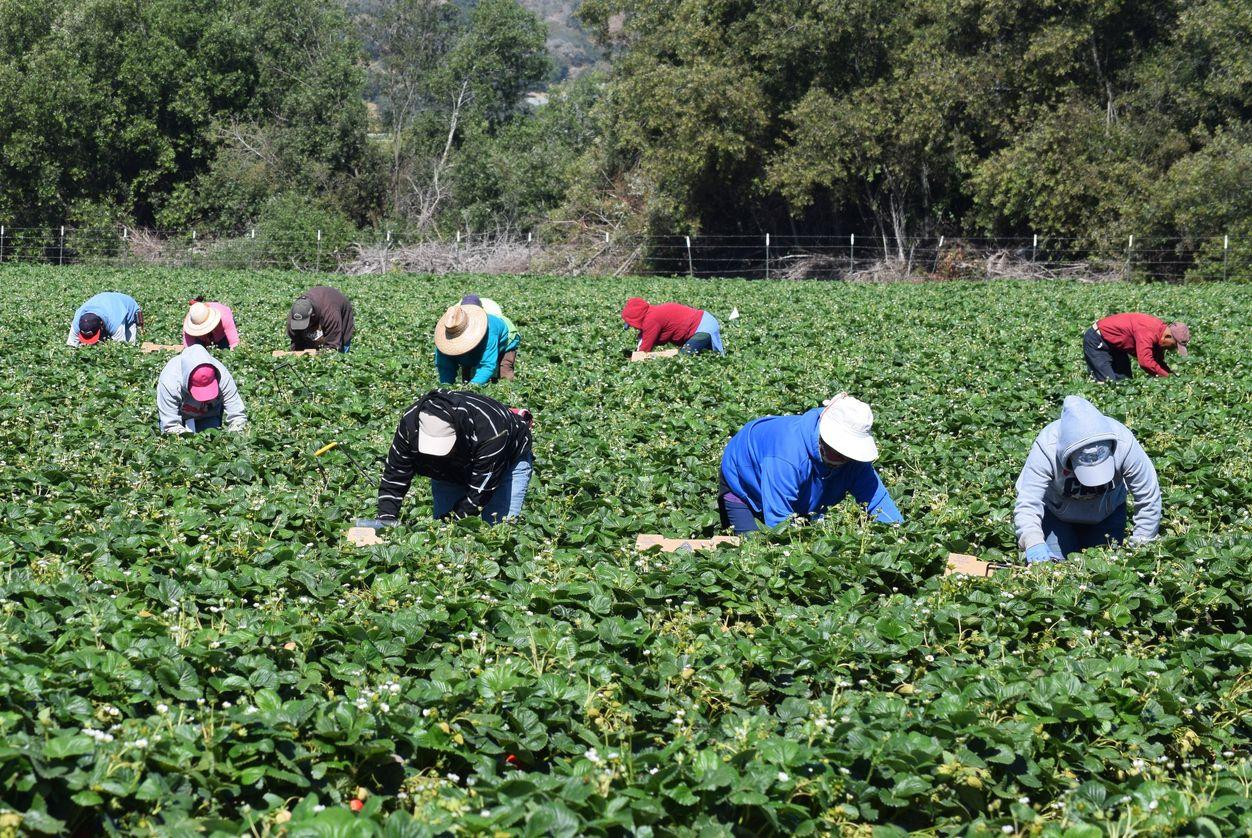
The H-2A program exists specifically for temporary or seasonal agricultural labor, work that falls within the Department of Labor's definition of agricultural employment. This covers the field work, harvesting, planting, and livestock labor that most producers immediately associate with farm labor needs. The H-2B program, by contrast, covers temporary or seasonal non-agricultural work, a broad category that includes landscaping, hospitality, seafood processing, and construction, among many other industries.
This distinction matters enormously for agricultural employers because it determines which program you're even eligible to use in the first place. A producer whose labor needs are genuinely agricultural, crop production, livestock care, dairy operations, generally falls under H-2A, while an agriculturally adjacent business performing work that falls outside the formal agricultural definition, certain packing or processing operations depending on how the work is classified, for example, may actually need to look at H-2B instead. Our guide on how to choose an H-2A agency assumes an operation has already confirmed it falls under agricultural classification, and that confirmation should happen before selecting any agency or beginning either application process.
Why H-2A Offers Advantages Most Agricultural Employers Do Not Realize
For operations that do qualify as agricultural, H-2A carries several structural advantages over H-2B that make it the clearly preferable program when both might theoretically apply. H-2A has no annual numerical cap, meaning eligible agricultural employers can access the program regardless of how many other employers are also seeking visas that year. H-2B, by contrast, operates under a congressionally set annual cap that frequently fills before all interested employers can secure visas, creating real uncertainty for businesses that depend on the program and file after the cap has already been reached.
This capped nature of H-2B creates a planning risk that simply does not exist for properly qualified H-2A employers, and it's one of the clearest reasons agricultural employers should work to confirm H-2A eligibility rather than defaulting to H-2B out of confusion or misclassification. The broader case for why H-2A specifically benefits ranchers and producers facing labor shortages is covered in our article on how H-2A labor can help ranchers battle labor shortages, and the absence of a numerical cap is a central part of why this program offers more reliable access than its non-agricultural counterpart.
Housing, Wage, and Benefit Requirements Differ Between Programs
H-2A carries housing requirements that H-2B does not universally require in the same way, reflecting the reality that agricultural work often occurs in rural locations without readily available housing markets for temporary workers. H-2A employers must provide housing that meets specific standards, along with transportation and, in most cases, meal provisions or kitchen facilities, requirements covered in detail in our guide to housing, wage, transportation, and food requirements for H-2A visas.
H-2B's requirements around these same categories differ and depend more heavily on the specific circumstances and location of the work, without the same universal housing mandate that applies across virtually all H-2A employment. Employers who mistakenly plan their labor program around H-2B assumptions, only to discover their operation actually falls under H-2A, often find themselves needing to build out housing and transportation infrastructure they had not initially budgeted for, which is one more reason getting program classification right at the outset matters considerably.
Compliance Obligations and Why They Differ
Both programs carry compliance obligations that employers must meet throughout the visa period, but the specific requirements, audit exposure, and documentation standards differ between the two programs in ways that reflect their different regulatory histories and oversight structures. Our H-2A compliance checklist for agricultural employers walks through the specific obligations H-2A employers need to track, and employers should recognize that an H-2B compliance approach, even one built with good intentions, does not automatically satisfy H-2A's distinct requirements if an operation is misclassified or moves between the two programs without fully rebuilding its compliance framework.
When an Operation Might Genuinely Need Both
Some larger or more diversified agricultural operations perform work that spans both agricultural and non-agricultural categories, a farm that also runs a substantial value-added processing or packing operation, for example, or an operation with a significant landscaping or grounds maintenance division alongside its core agricultural work. In these cases, an employer may legitimately need to use H-2A for its agricultural labor needs and H-2B for the non-agricultural portion of its workforce, treating them as genuinely separate programs serving separate parts of the business rather than trying to force one program to cover work it was not designed for.
Operations in this position should work with experienced counsel or an agency familiar with both programs to properly classify each category of work and avoid the compliance risk that comes from misapplying either program to work that falls outside its intended scope.
Weighing the Practical Tradeoffs Honestly
Understanding the general pros and cons that come with committing to a structured visa labor program is a useful starting point regardless of which specific program applies, and our overview of H-2A work visa program pros and cons covers considerations that largely apply to H-2B as well, including the administrative commitment both programs require and the labor reliability benefits that come with a properly structured temporary visa workforce compared to relying entirely on the uncertain domestic labor market many agricultural employers currently face.
The fundamental tradeoff between the two programs, however, comes back to eligibility and structural advantage rather than a simple cost comparison. An agricultural employer eligible for H-2A gains meaningful advantages, no annual cap chief among them, that make pursuing H-2A the clearly better path whenever an operation genuinely qualifies, rather than settling for H-2B out of confusion about which program actually fits the work being performed.
Timeline Differences Between the Two Programs
Application timelines and processing patterns also differ between H-2A and H-2B in ways that affect how far in advance an employer needs to plan. Because H-2B operates under an annual cap split across two allocation periods, employers pursuing that program often face a compressed filing window where timing relative to the cap release matters enormously, and missing that window can mean waiting for the next allocation period entirely. H-2A, without a similar cap constraint, still requires careful timing relative to an operation's actual start-of-work date, but does not carry the same cap-driven urgency that can force H-2B employers into a narrow and sometimes unpredictable filing period.
Agricultural employers who mistakenly plan around H-2B timelines, only to later confirm they actually qualify for H-2A, sometimes end up either rushing an application unnecessarily or missing efficiencies that H-2A's more predictable structure would have offered had the correct program been identified from the outset. This is one more reason early classification, done correctly, pays off across the entire planning and application timeline rather than only affecting eligibility on paper.
Working With an Agency That Understands Both Programs
Because these two programs diverge so significantly in eligibility, requirements, and timeline, agricultural employers benefit from working with an agency or advisor who has genuine experience with both H-2A and H-2B rather than one that only handles one program and defaults every client into it regardless of fit. An agency with narrow experience in only one program has an inherent incentive, even if unintentional, to fit a client's situation into the program it already knows how to process, rather than objectively evaluating which program the work actually qualifies for.
Employers evaluating potential agency partners should ask directly about the agency's experience with both programs and request a clear explanation of why a particular program is being recommended for their specific operation, rather than accepting a recommendation without understanding the classification reasoning behind it. This due diligence upfront protects against the costly compliance and planning problems that come from starting down the wrong program's path.
Getting the Classification Right From the Start
The single most important decision an agricultural employer makes when exploring temporary foreign labor options is correctly classifying whether the work in question is agricultural or non-agricultural under the relevant federal definitions, since that classification determines which program applies and shapes every downstream decision about housing, wages, compliance, and program access. Employers uncertain about their classification should work with an experienced H-2A agency or immigration counsel early in the planning process, well before committing budget and operational planning to one program only to discover midway through that the other one actually applies to their specific labor needs.